
Construction Materials Testing: What Contractors in Alberta Need to Know
Materials testing is crucial to the success of construction projects. From commercial, residential developments and municipal infrastructure to industrial facilities, proper testing helps ensure all the materials used meet design specifications, comply with regulations, and perform as expected over the long term.
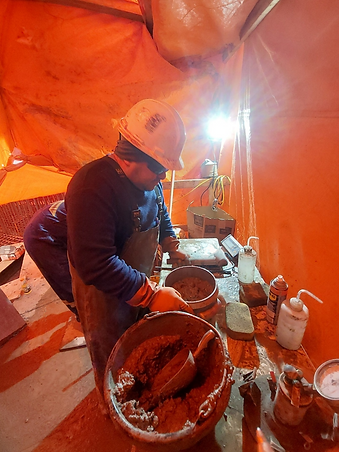
Why Materials Testing Is Important in Construction
Materials testing is a key component of quality assurance and quality control on construction projects. Testing materials provides documented proof that all soil, concrete, asphalt, and aggregates used meet the requirements outlined in project specifications, engineering design, and applicable codes. Without proper testing, projects face increased risks related to structural performance, durability, safety, and regulatory compliance.
Testing also protects contractors by providing third‑party verification that work has been completed to the required standard, which is an important safeguard when dealing with inspections, disputes, or warranty concerns.
What Materials Are Commonly Tested During Construction?
· Soils and aggregates: Compaction, moisture content, gradation, and bearing capacity testing are essential for foundations, roadways, and engineered fill.
· Concrete: Field testing of fresh concrete (slump, air content, temperature) and laboratory testing of compressive strength are commonly required to meet CSA standards.
· Asphalt: Density, gradation, binder content, and compaction testing help confirm pavement performance and lifespan.
These tests are typically performed in accordance with CSA, ASTM, AASHTO, and Alberta Transportation specifications, depending on the project type and owner.
Codes and Standards Contractors Should Know
In Alberta, construction materials testing is closely tied to national and provincial standards. Key references include:
· the National Building Code of Canada (NBC), as adopted and amended by Alberta
· CSA A23.1/A23.2 for concrete materials, construction methods, and test procedures
· Alberta Transportation specifications for roadway, bridge, and infrastructure work
An essential part of compliance is understanding which standards apply and ensuring that testing aligns with the correct edition referenced in contract documents.
When Testing Should Happen
Construction materials testing should be planned early and coordinated throughout the construction process. Testing generally happens:
· before construction to assess site conditions and material suitability
· during construction to verify installation and placement comply with specifications
· after placement to confirm strength, density, and long‑term performance
Enlisting the assistance of a qualified testing provider early helps avoid delays and ensures testing schedules align with construction milestones.
Choose the Right Testing Partner
It’s important to work with an accredited testing laboratory and an experienced geotechnical engineer who is familiar with Alberta regulations and local conditions. Using certified technicians and approved procedures helps ensure reliable results and smooth coordination with engineers, inspectors, and project owners.
Work with ParklandGEO Today and Protect Your Investment
Construction materials testing is more than just a regulatory requirement. It’s a proactive investment in project quality, safety, and durability. For Alberta contractors, understanding testing requirements and working with trusted testing professionals can help keep projects on schedule, on budget, and built to last.
ParklandGEO provides construction materials testing to help ensure your project goes as smoothly as possible. Please contact us today for more information.


Comments